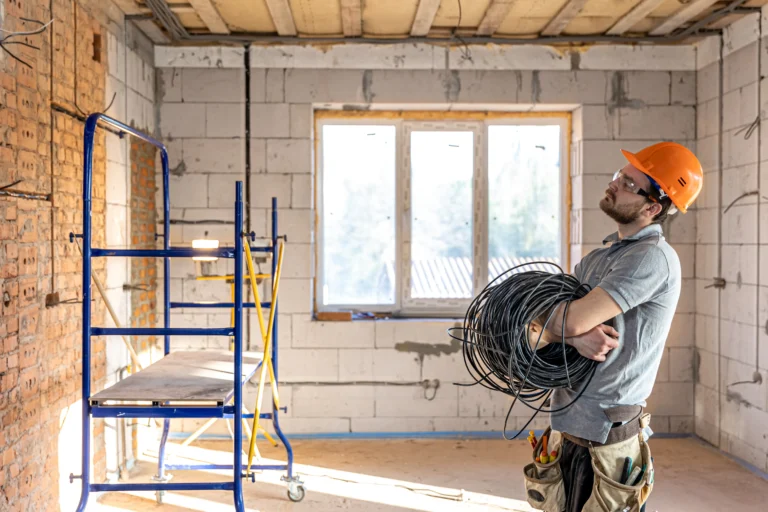
When it comes to home renovations, careful planning is the bridge between your vision and lasting value. At Trinity Trade Group, we’ve worked with countless homeowners to transform properties across Western Australia—particularly in areas like Mandurah—while keeping budgets aligned with reality and expectations. Renovating shouldn’t be about spending more; it’s about spending smart. The key lies in knowing where to invest, how to prioritise, and how to avoid the common pitfalls that can easily derail your plans.
Let’s walk through a practical approach to renovating that ensures you get the most from your investment—without overspending.
Define the Purpose and Set a Realistic Scope
Start with a clear understanding of why you’re renovating. Are you increasing resale value, preparing for rental, or improving functionality for your own lifestyle? Each goal will determine your renovation priorities.
For example, an investment property in Mandurah might benefit more from cost-effective cosmetic updates that appeal to tenants—think fresh paint, fixtures, or kitchen upgrades. On the other hand, long-term homeowners may opt for comfort-focused improvements like custom cabinetry or energy-efficient windows.
Be mindful of the tendency to bite off more than you can chew. We’ve seen how small oversights can spiral into costly issues—something we touched on when exploring what can go wrong if you’re not fully prepared before demolition begins.
Budget with Buffers—And Know Where to Spend
A solid budget should include three key categories: essentials, wishlist items, and a contingency fund (typically 10–20% of your total budget). Unexpected issues—such as electrical upgrades, asbestos removal, or water damage—are more common than most homeowners anticipate.
Prioritise spending on areas that increase functionality and value. These include kitchens, bathrooms, and structural updates. Don’t underestimate the return on high-quality trades and materials in key zones, even if they cost a little more upfront. They often save you from maintenance headaches later.
It’s equally important to keep track of every expense. Use apps or spreadsheets to monitor spending, quotes, and invoices as the project evolves.
Choose the Right Team, Not Just the Cheapest Quote
Comparing quotes isn’t just about the bottom line. It’s about value, experience, and accountability. When evaluating builders, electricians, or tilers, dig into their past projects, licenses, and reviews. Ask about their communication process, timelines, and inclusions. Vague or overly cheap quotes can lead to cost blowouts once work begins.
At Trinity Trade Group, we’ve seen too many clients come to us needing to fix rushed or unfinished jobs. That’s why we always recommend starting with a team that’s upfront about costs, skilled in their trades, and transparent every step of the way.
Having a good working relationship with your renovation team reduces stress and improves project outcomes. Trust goes a long way in keeping everything on track—and on budget.
Don’t Overcapitalise: Renovate for Your Location
One of the biggest budgeting mistakes is overcapitalising—spending more on your renovation than your property will be worth afterwards. This is especially important in suburban and coastal areas like Mandurah, where property values can vary significantly from street to street.
Research local real estate trends and speak with property experts to understand the ceiling price in your neighbourhood. If homes in your area top out at $500,000, spending $150,000 on upgrades may not provide a worthwhile return.
This is something we explored when discussing the importance of tailoring renovations to Mandurah’s unique market landscape—especially for beginners navigating their first project.
Think of your renovation as a strategic investment. High-end finishes may not add equivalent value in every suburb, while simple upgrades like street appeal or open-plan layouts often offer the best bang for your buck.
Timing is Everything: Know When to Stage Your Renovation
A full-scale renovation may seem ideal, but not everyone has the time or budget to go all in at once. Consider staging your project in phases. Focus first on safety and structural needs, followed by high-use areas like the kitchen and bathroom, and finally cosmetic details like paint and décor.
This approach helps spread costs over time, making the financial load more manageable. It also gives you breathing room to live through the process—especially helpful if you’re occupying the home during renovations.
Strategic staging also allows you to reassess priorities as you go. For instance, if you originally budgeted for a second bathroom but realise midway that expanding the kitchen delivers more value, you’ll be glad you kept things flexible.
Plan Approvals, Materials, and Logistics Early
Many renovation delays (and unexpected costs) come from poor planning in the early stages. Council approvals, materials supply, and even weather forecasts can affect timelines and expenses. Securing permits or sourcing imported tiles mid-project can cause costly halts that ripple across the budget.
Plan your materials and finishes early, including alternatives in case of shortages. Work with your builder to finalise design decisions before starting construction—this avoids last-minute changes that cost more in labour and materials.
We’ve mentioned how delays and decision fatigue can derail even the most promising plans—issues that are preventable with a detailed pre-renovation roadmap.
Early planning also means better coordination with trades and suppliers, keeping your project moving smoothly from one phase to the next.
Smart Planning Builds Real Value
At Trinity Trade Group, we believe that the best renovations aren’t the flashiest or the most expensive—they’re the ones that bring function, beauty, and long-term value into perfect balance. A renovation grounded in smart planning will always outperform one based on impulse or guesswork.
Whether you’re upgrading a family home or preparing a property for the market, taking the time to budget wisely, plan carefully, and work with the right people makes all the difference.
If you’re considering a project and want advice grounded in real experience—without the fluff—reach out to our team. We’re here to help you make every dollar count, from the first tile to the final coat of paint.