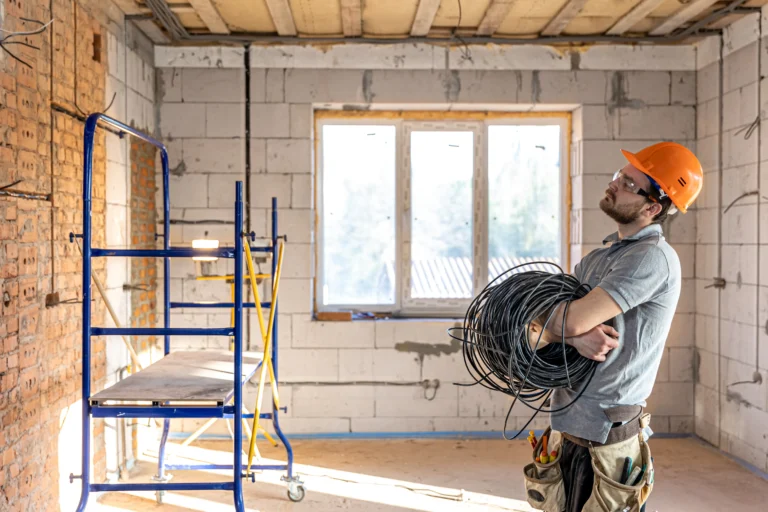
At Trinity Trade Group, we know that renovating a home is more than just knocking down walls or picking colour palettes—it’s about shaping the future of your space. A successful renovation can add value, improve functionality, and make your property feel truly yours. But there’s a flip side to the excitement: mistakes. From poor planning to rushed decisions, renovation errors can cost thousands and leave you with regrets that last for years. Over the years, we’ve learned what sets great renovations apart from the rest—and it often comes down to what homeowners avoid just as much as what they include.
Whether you’re renovating a home to sell, upgrading for comfort, or modernising with long-term goals in mind, here are some of the most common and costly renovation mistakes—and how to steer clear of them.
Thinking the Budget Is Just a Number
A well-structured budget is the backbone of any renovation. One of the most common missteps we see is underestimating costs or ignoring the reality of fluctuating material and labour expenses. Many homeowners start with a ballpark figure but forget to factor in hidden costs, variations, or unexpected issues uncovered during demolition.
Even with detailed quotes, it’s critical to have a contingency of at least 10–20%. There could be asbestos hiding behind your bathroom tiles or rotting timber under old flooring. These are not rare scenarios—they’re common. Also, high-quality finishes and sustainable materials often cost more upfront but yield better performance, durability, and value in the long run.
Smart planning also allows room for upgrades that contribute to efficiency—like water-saving fixtures or insulated wall systems that quietly support a greener future.
Avoiding budget blowouts starts with honest expectations and realistic planning. Don’t build your renovation around best-case scenarios; plan for what’s likely.
Forgetting About Permits Until It’s Too Late
No one likes paperwork, but failing to secure the right permits is one of the fastest ways to derail a renovation. Many homeowners mistakenly assume that only major renovations need approval. In reality, even small changes—like altering plumbing layouts, removing walls, or modifying external structures—may require council clearance.
Working without permits can lead to costly fines, delays, or having to undo finished work. Worse still, unapproved work can hurt your resale value and void your insurance coverage.
Our advice? Make contacting your local council one of your first steps. Get clear on what approvals you need and allow time for them to process. You’ll save yourself stress later—and you’ll ensure your renovation adds long-term, compliant value to your property.
Falling for Trends That Don’t Fit Your Life
Scrolling through design apps or renovation shows can be inspiring, but it’s important to ask whether those styles will suit your daily routines. We’ve seen homeowners choose all-white kitchens that stain easily, install industrial fittings that feel cold in small rooms, or invest in expensive finishes that require high maintenance.
A space that looks good but doesn’t function well won’t serve your lifestyle for long. Great renovations are built around how you live—how you cook, entertain, relax, and move through the home.
Does that sleek island bench make cooking easier or harder in your kitchen? Will the open-plan layout allow for quiet time when needed? And will those design choices still feel current in five years?
Some of the most forward-thinking designs are also sustainable—using renewable materials, passive cooling strategies, or reclaimed elements that combine timeless aesthetics with lasting responsibility.
Style matters. But function should lead the way.
Working with the Wrong Team
The team you hire can make or break your project. Choosing a builder or contractor based solely on the lowest price is a recipe for disappointment. Renovations require clear communication, trust, and mutual understanding—especially when unexpected issues arise.
It’s essential to work with licensed, insured professionals who have relevant experience and a proven track record. Ask about past projects. Pay attention to how they explain things. And most importantly, trust your instincts—if someone seems rushed or vague during planning, that energy is likely to carry through the build.
Reliable tradespeople don’t just complete tasks—they help anticipate problems, offer smarter alternatives, and keep your project running smoothly. At Trinity Trade Group, we’ve built our reputation on partnerships that deliver not just results but peace of mind.
Designing Without Considering the Whole Picture
Another mistake that can undermine a renovation is designing one room in isolation from the rest of the home. Renovations that don’t consider flow, natural light, ventilation, or space dynamics often lead to frustration after the dust settles.
For example, expanding a kitchen without thinking about adjoining dining or living areas can lead to cramped layouts or awkward transitions. Placing windows for aesthetics, but not for airflow or sunlight, can create stuffy spaces or energy inefficiencies.
Before any redesign, stand in the space and imagine how it connects to the rest of your home. Does it feel cohesive? Does the layout support everyday routines?
We’ve seen how even small design tweaks—like shifting a doorway or optimising insulation—can create energy-smart outcomes that elevate both comfort and sustainability.
When you plan holistically, you’re not just improving one room. You’re elevating the entire home experience.
Rushing the Timeline
It’s completely natural to want your renovation done quickly. Renovations are disruptive, and deadlines often tie into school holidays, moving dates, or special events. But pushing tradespeople to move too fast—or skipping critical steps to save time—can create far bigger delays later.
Waterproofing that hasn’t cured properly, paint that hasn’t set, or surfaces installed before substrates are ready all lead to rework. And that doesn’t just impact timelines—it impacts your budget, too.
Good renovations take time. Trust the process. Build a timeline that includes space for inspections, deliveries, drying times, and unexpected setbacks. A slower, deliberate build almost always leads to higher quality and greater satisfaction.
Better Renovations Begin with Fewer Regrets
At Trinity Trade Group, we believe that the success of a renovation isn’t measured just by how it looks on handover day—but how well it functions, lasts, and improves life over time. Avoiding these common mistakes doesn’t require luck—it simply requires careful thought, experienced hands, and a clear plan.
And if your renovation also improves the way your home interacts with its environment, all the better—because a home that’s good for you should be good for the planet too.
Let’s work together to get your renovation right—practical, beautiful, and built to last.