Renovation Timeline Demystified: From Design to Done in Your Home
Renovating your home is one of the most rewarding ways to refresh your living space and increase its value. However, many homeowners step into the process without a clear idea of the timeline involved. At Trinity Trade Group, we’ve seen firsthand how a well-structured renovation journey — from early sketches to the final clean-up — can save time, reduce stress, and lead to outstanding results. Let’s explore what that journey looks like and how to make each stage run as smoothly as possible.
Every successful renovation begins with a clear vision. This stage is all about defining your goals, assessing the practicality of your ideas, and understanding what’s achievable within your budget and space.
Start by identifying the problems your renovation needs to solve. Are you improving function, adding space, updating style, or increasing property value? Once your goals are in place, it’s time to speak with professionals — designers, builders, or consultants — who can help you assess structural limitations, council regulations, and costs.
When selecting the right layout or look, it helps to reflect on how your home interacts with the environment around it — something we touched on in our thoughts about Mandurah renovation styles.
Design Development: Drawing Up the Future
With a clear brief, the design phase transforms your ideas into drawings and specifications. Whether you’re working with an architect or using design software, this stage involves several iterations. The process can take a few weeks to a couple of months depending on complexity and revisions.
You’ll finalise floor plans, elevations, finishes, fixtures, and external features. A well-prepared design package speeds up approval and quoting later on, making it a critical step in keeping the timeline under control. It also allows you to visualise the end result more realistically and make informed decisions.
It’s not just about choosing what looks good — but what feels right for your home’s character, something closely linked to picking the right renovation style for your area.
Approvals and Permits: The Waiting Game
This phase often surprises homeowners with its duration. Depending on your project and location, you may need development approval (DA), building permits, or both. These involve submitting your plans to local councils or certifiers and can take from two weeks to several months.
Factors that influence approval times include zoning laws, heritage overlays, and even the workload of your local council. Engaging someone familiar with your area can streamline this stage — they’ll know the documentation required and how to avoid common application pitfalls.
It’s essential to factor this phase into your timeline, especially for major structural changes or additions. Skipping proper approval processes can lead to legal and financial complications later.
Pre-Construction: Planning and Procurement
Once approvals are secured, it’s time to line up the trades, order materials, and lock in your renovation schedule. This stage may be less visible but is crucial for a smooth project. Your builder or project manager will coordinate trades like electricians, plumbers, carpenters, and tilers — often weeks in advance.
Material procurement also plays a big role. Special-order items like custom cabinetry, imported tiles, or stone benchtops can have long lead times. Delays here are one of the most common timeline disruptions, so confirming availability before finalising selections is smart.
This is also the stage where a detailed construction timeline is created, outlining when each part of the project will happen. That timeline will become your renovation roadmap.
Construction: Where the Magic Happens
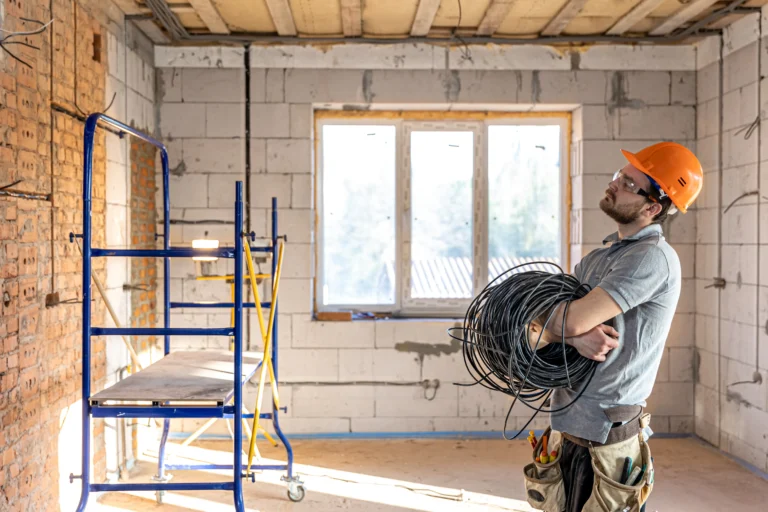
Construction usually begins with demolition and rough-ins (plumbing, electrical, etc.), then moves into structural changes, followed by internal works and finishes. While small cosmetic renovations may take only a few weeks, a full-home renovation can last anywhere from three to six months or more.
Good communication and project management are essential here. Weekly check-ins, clear updates, and issue resolution keep things moving. A typical timeline might look like:
- Weeks 1–2: Site setup and demolition
- Weeks 3–6: Structural work and rough-ins
- Weeks 7–10: Plastering, cabinetry, and tiling
- Weeks 11–14: Painting, finishing, and cleanup
Many design choices that seemed minor at the beginning — like door profiles or flooring tone — start to reveal their impact on the home’s feel, reinforcing why design alignment matters from the start.
Final Touches and Handover: The Home Stretch
Once the physical work is done, there’s still a little more to complete. Final inspections ensure all building codes have been met. You’ll receive compliance certificates and warranties from licensed trades, and the project manager will walk you through your newly renovated space.
This stage also includes small adjustments — fixing paint chips, aligning doors, cleaning the site, and ensuring everything operates as it should. It’s the time to bring in furnishings, re-style your rooms, and settle into your updated space.
For homeowners, this marks the transformation from a construction site to a personal sanctuary. Take a moment to compare the journey you envisioned with the reality in front of you — the alignment of design, function, and comfort is the true marker of a successful renovation.
A Journey Worth Planning
Renovation doesn’t have to feel like a guessing game. Understanding the timeline — from initial concepts to the final reveal — helps set realistic expectations and avoid costly delays. At Trinity Trade Group, we support our clients through each stage with transparency and a commitment to quality craftsmanship.
We also believe your renovation journey should reflect more than trends — it should celebrate the identity of your home and how you live in it. Whether you’re planning a modern revamp or a timeless transformation, we always recommend starting with a style that resonates deeply with your lifestyle and location.
From design to done, a well-planned renovation can be one of the most empowering changes you make to your home. Let’s make it count.