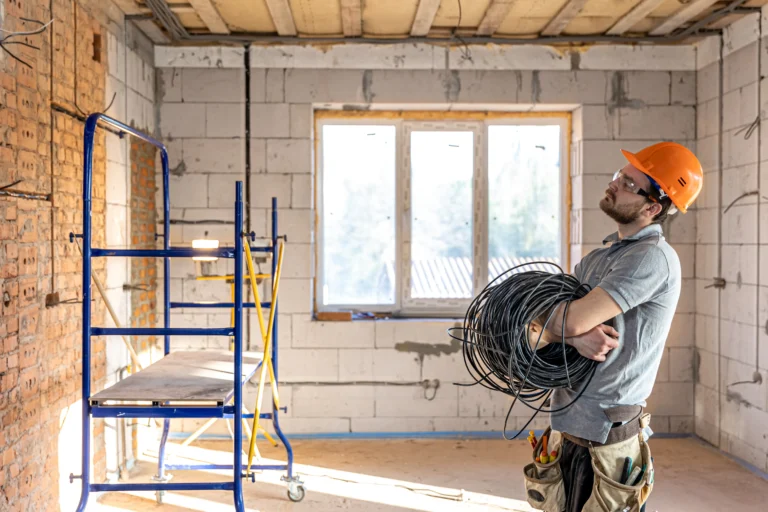
Renovating a home is an exciting journey filled with possibilities—but it can also feel overwhelming, especially for first-timers in Mandurah. From setting a realistic budget to choosing the right style, every decision shapes the success of your project. Coastal living brings its own unique considerations, and the balance between DIY enthusiasm and professional expertise can make all the difference. Understanding the steps involved—from initial planning and budgeting to hiring contractors and navigating timelines—helps you avoid common pitfalls and keep your renovation on track. Whether you’re refreshing a single room or undertaking a full-scale makeover, being well-prepared is key to creating a home that not only looks great but stands the test of time. This guide covers everything you need to know before you start, empowering you to approach your Mandurah home renovation with confidence and clarity.
Key Factors to Consider Before Starting Your Mandurah Home Renovation
Starting a home renovation in Mandurah can be exciting—but without the right groundwork, it can quickly become overwhelming. The key to a successful renovation isn’t just knowing what you want; it’s knowing what to look out for before you begin. First, get clear on your goals. Are you looking to enhance functionality, boost resale value, or simply modernise outdated features? This clarity will help you avoid impulsive decisions that can derail progress.
Another essential factor is the existing condition of your home. Structural issues, outdated wiring, or plumbing systems may need attention before any cosmetic upgrades can begin. Getting a professional opinion early on can save both time and money down the road. Sometimes, homeowners jump into renovation without understanding which trade services are necessary or how to bring them together at the right time—leading to avoidable confusion and costly backtracking.
You’ll also want to assess your timeline realistically. Not everything happens on schedule—delays with materials, contractor availability, or scope changes can impact progress. It helps to understand what happens from the initial design phase through to completion to keep expectations aligned. This awareness can guide you in choosing the right start date and prevent stress mid-project.
Budgeting wisely is equally crucial. Include a buffer for unexpected costs—especially if you’re working with an older property where surprises behind the walls are common. Remember, a successful renovation is less about rushing to the finish line and more about planning each stage with care.
Even if you’re handling parts of the project yourself, having experienced support nearby can make all the difference. Some homeowners don’t realise until it’s too late that outside advice could’ve smoothed the journey dramatically. Planning smart from the outset ensures you’re not just renovating—you’re building something that lasts.
Setting a Realistic Budget for Your Renovation Project
A well-planned renovation budget is more than just numbers—it’s your safeguard against stress, delays, and half-finished projects. The first step is determining how much you’re truly willing to spend, not just what you hope it’ll cost. That includes factoring in all the essentials: labour, materials, fittings, permits, and a contingency reserve—typically 10–20% for unexpected surprises.
Many homeowners underestimate the “hidden” costs—things like site clean-up, temporary accommodation, or fixing unforeseen structural issues. These aren’t luxuries; they’re realities of renovation that can sneak up if you’re not financially prepared. It’s often when these extras stack up unexpectedly that homeowners realise how easily a renovation can go off track.
Getting quotes from tradespeople is a smart move, but make sure you’re comparing apples to apples. One contractor might include disposal costs while another doesn’t. And be cautious about the lowest bid—it might look attractive now but cost more later in variations and fixes. That’s where having the right advisor by your side early on can help identify when a quote is missing essential elements.
Your budget should also reflect your timeline. Rushing work can drive up labour costs; delays can mean storage fees or additional rent. Understanding how the stages of renovation unfold—from design through to finishing—can help you phase your spending and avoid financial bottlenecks.
Lastly, separate your “must-haves” from “nice-to-haves.” It’s tempting to go for premium finishes everywhere, but thoughtful compromises can stretch your budget without sacrificing quality. A realistic budget isn’t about cutting corners—it’s about knowing where your money matters most and where you can be flexible. With careful planning and the right insights, your budget can be the strongest tool in turning your vision into something beautifully livable.
Choosing the Right Renovation Style for Your Mandurah Home
The style you choose for your renovation sets the tone for every design and build decision that follows. In Mandurah, the coastal atmosphere often inspires light, breezy interiors with natural textures—but that doesn’t mean every home needs to follow the same script. Start by considering the architecture of your existing property. A renovation that complements the home’s original character often looks more timeless and cohesive than one that forces an incompatible style.
That said, personal taste still plays a vital role. Whether you’re drawn to minimalism, rustic charm, or modern coastal design, it’s important to strike a balance between what you love and what works long-term. Think beyond current trends. Styles fade, but a well-thought-out aesthetic can evolve with you over time.
Function should always guide form. If your family is growing, if you work from home, or if you entertain often, the layout and style need to reflect those lifestyle needs. When homeowners neglect the function behind their design choices, the project can lose direction quickly—sometimes leading to decisions that need to be redone later.
Also, don’t overlook how materials, colour palettes, and textures influence not just the look but the durability and maintenance of your space. For example, timber floors may feel warm and luxurious but could require extra care in a sandy, beachside environment.
When in doubt, start small—build mood boards, visit display homes, or talk to people who’ve recently renovated. Sometimes, bouncing ideas off someone experienced can prevent early-stage mistakes that ripple through the whole renovation process. A clear, cohesive style makes selections smoother, reduces decision fatigue, and ties your space together beautifully.
Hiring Licensed Contractors: What to Look For
The success of your home renovation hinges on the people you hire to bring your vision to life. Choosing licensed, experienced contractors isn’t just about qualifications—it’s about trust, reliability, and communication. A licensed contractor ensures work is done to legal and safety standards, but beyond that, you want someone who listens, explains clearly, and respects your time and budget.
Start with credentials. In Western Australia, trades must hold the appropriate licenses and, depending on the work, sometimes building permits too. Always check that your contractor is properly insured—this protects you from liability in case of accidents or damage during the project. Some renovators overlook this early verification, only to face costly setbacks down the line when things don’t go as planned.
Reviews, references, and portfolios offer a glimpse into a contractor’s consistency and work quality. Don’t just rely on online ratings—ask for past client references and take the time to call them. Find out how the contractor handled unexpected challenges, whether timelines were met, and how issues (if any) were resolved.
Clear communication is often the difference between a smooth renovation and a chaotic one. From start dates to payment terms, every detail should be documented in writing. Without a clear breakdown of responsibilities and stages, the renovation timeline can spiral out of control.
Consider involving someone who can coordinate trades or provide consultation—especially if you’re juggling multiple professionals. Homeowners new to renovation often underestimate how complex it is to align various specialists and ensure their work flows in the right sequence.
Ultimately, hiring the right contractor is about more than just price—it’s about confidence. When you choose someone you can work with collaboratively, you’ll avoid miscommunication and ensure your renovation is built on a solid foundation.
Planning Your Timeline: From Demolition to Final Touches
A well-structured timeline is the backbone of any successful renovation. From initial demolition to the final coat of paint, every stage needs breathing room—not just for the work itself, but for the unexpected hiccups that inevitably arise. Many homeowners underestimate how long even “simple” projects can take, especially when multiple trades are involved. Having a clear sequence in place helps avoid downtime, rework, and budget blowouts.
Begin with the design and planning phase. This includes consultations, site inspections, and getting quotes. Then comes demolition and structural work—removing walls, rewiring, plumbing updates. After that, major installations take place, followed by cosmetic finishes and clean-up. Allow for delays in material delivery, permit approvals, or even unpredictable weather, especially in coastal areas like Mandurah.
People often think renovation is a linear process, but it’s more like a puzzle—one that only fits together when each piece is scheduled carefully. Missteps here, like scheduling painters before electricians have finished, can add weeks to your project.
Also, factor in lead times for custom orders like cabinetry or stone benchtops. These elements may seem small but often become the bottleneck if not planned early. Communication with your trades is critical—everyone needs to know what comes next and when they’re expected on site.
If you’re managing the renovation yourself, consider using project management tools or even spreadsheets to track milestones. It’s in this stage that many DIY renovators start to see the value in having external guidance—someone who can pre-empt issues and help streamline the process.
A realistic, well-paced timeline not only keeps things on track but also reduces stress and decision fatigue. In the end, finishing on time isn’t just about speed—it’s about strategy.
Must-Know Costs: Hidden Expenses in Home Renovations
Even the best-planned renovation budgets can be blindsided by unexpected expenses. It’s often not the visible changes that catch homeowners off guard, but the hidden costs lurking beneath the surface—literally. Think asbestos removal, outdated wiring, termite damage, or water issues concealed behind walls. These aren’t “nice to have” fixes—they’re essential for safety and compliance, and they don’t come cheap.
Then there are the indirect costs: site clean-up, rubbish disposal, permit fees, and temporary accommodation if parts of your home become unlivable during construction. Many homeowners also forget to factor in tool hire or delivery fees for bulky items. It’s these overlooked costs that can chip away at your budget, slowly but steadily, turning what felt manageable into a financial strain.
Variations—mid-project changes to the scope of work—are another budget hazard. You may change your mind about a layout, add new features, or encounter structural surprises that require redesigns. These changes almost always cost more in time and materials. This is where a renovation can begin to unravel if not closely monitored.
Also, keep an eye on the cost of delays. If a trade is rescheduled due to late materials or unfinished prep work, you might face rebooking fees or increased charges. It’s in managing this chain of dependencies that experienced guidance becomes invaluable—especially when you’re not sure which trade needs to go first or who’s holding up the next stage.
Being aware of these hidden costs upfront allows you to plan with a cushion—not just for your wallet but for your peace of mind. Renovating is as much about flexibility as it is about precision. When you’re prepared for the unexpected, you stay in control—even when things go sideways.
When to DIY and When to Call the Experts
DIY can be an empowering part of your renovation journey—saving money, adding a personal touch, and giving you greater control over your project. But knowing where your skills end and professional expertise begins is key to avoiding costly mistakes. While painting, flat-pack assembly, or light landscaping may be manageable, tasks like plumbing, electrical, structural changes, or waterproofing are best left to licensed professionals. In fact, some of these jobs legally require qualified trades in Western Australia.
Many homeowners underestimate how technical certain “simple-looking” tasks can be—only to realise later that correcting mistakes costs more than hiring a pro in the first place. It’s not just about the finished look, but whether it complies with safety and building standards.
A helpful rule is this: if a task affects the structure, systems, or long-term performance of your home, it’s probably not a DIY job. And if it impacts resale value—like tiling an entire bathroom or reconfiguring a kitchen—precision is essential. Mistakes here don’t just risk aesthetics; they can reduce property value or fail inspection.
On the flip side, getting involved in demolition, design planning, or even sourcing materials can give you a sense of ownership and reduce your overall spend. Still, coordinating your efforts with the right professionals ensures your DIY contributions actually support the broader project instead of setting it back.
There’s often a turning point when homeowners realise that juggling multiple roles—designer, manager, and handyman—can lead to burnout and budget creep. Knowing when to call in support isn’t a failure; it’s strategic. With the right balance of DIY and expert input, your renovation becomes both a creative project and a structurally sound investment.
Making Smart Design Choices for Long-Term Value
Design trends come and go, but smart choices stand the test of time. When renovating your Mandurah home, focus on features that not only suit your current lifestyle but also add lasting value—both aesthetic and financial. Think beyond just colour schemes or trendy materials. Consider how layout, light, ventilation, and flow affect daily comfort and usability.
Open-plan living, energy-efficient fittings, and functional storage spaces remain popular because they improve liveability. Similarly, durable flooring, neutral palettes, and high-quality finishes tend to appeal to future buyers, offering flexibility to evolve with changing tastes. Some homeowners realise too late that design decisions made on impulse—rather than with long-term use in mind—often lead to costly revisions down the line.
Balance is key. You want your space to reflect your personality, but also be practical. For example, a walk-in pantry might sound luxurious, but if it compromises kitchen workflow or space elsewhere, it’s a decision that needs rethinking. Having a big-picture view from the start can help prevent choices that conflict with functionality or future plans.
It’s also important to integrate design and construction timelines. Delays in finalising finishes or layouts can hold up trades and increase costs. Knowing when to make each decision in line with your build schedule can prevent project drag and help keep things on track.
Consulting with trades or design professionals—even briefly—can provide insights that protect you from regret later. You don’t always need a full-time consultant, but having someone to flag the impact of key decisions early on can make your design both inspiring and practical. In the end, the smartest design is the one that feels right today and still works years down the road.
Renovation Mistakes to Avoid in Mandurah Homes
Even the most well-intentioned renovations can unravel when common pitfalls are overlooked. Whether you’re updating a kitchen or undertaking a full-home transformation, mistakes can be costly—not just financially, but emotionally too. One of the most frequent errors is skipping the planning phase or rushing through it. Without a clear vision, budget, and timeline, decisions are made reactively, which often leads to inconsistent outcomes.
Another mistake is underestimating the scope of work. A “simple” bathroom update can quickly escalate if waterproofing issues, mould, or outdated plumbing are discovered. Some homeowners only realise mid-project how interconnected trades are, and how changes in one area can disrupt the whole renovation flow. That’s why even basic structural changes should be discussed with the right professionals early on.
Ignoring council requirements or compliance checks is another major red flag. While not every project demands approval, failing to confirm can result in fines or having to undo completed work. It’s easy to assume you’re in the clear—until you’re not. Many DIY renovators wish they’d had a checklist to help them navigate what was legally required before they started.
Budget blowouts are often rooted in decision delays or frequent plan changes. It’s tempting to keep tweaking as you go, but those variations can stack up quickly. When the scope keeps shifting, your timeline—and costs—usually follow.
Lastly, don’t underestimate the value of documentation. Verbal agreements with trades can easily lead to misunderstandings. Put everything in writing—from job specs to payment milestones—to protect all parties involved.
Mistakes aren’t always dramatic. Often, they’re small missteps that compound over time. The good news is, most of them are avoidable with careful planning, open communication, and a clear understanding of how each part of your renovation impacts the next.
Why Location Matters: Adapting Renovations to Coastal Conditions
Mandurah’s stunning coastal setting offers more than just scenic views—it also brings unique environmental challenges that should shape your renovation decisions. Living near the ocean means dealing with salt-laden air, high humidity, and shifting weather conditions. These factors can silently degrade materials over time if not properly accounted for in your planning.
For example, metal fixtures, outdoor fittings, and even some types of paint can corrode or deteriorate faster when exposed to sea air. Opting for marine-grade stainless steel, UV-resistant coatings, and moisture-resistant finishes can extend the life of your renovation and reduce future maintenance. Many homeowners only discover the long-term impact of coastal conditions when repairs become frequent far earlier than expected.
Windows and doors also deserve special attention. Good-quality seals, double glazing, and corrosion-resistant hardware help combat moisture intrusion and thermal fluctuation. These features not only enhance durability but also improve energy efficiency—something that matters when summer heat hits hard and insulation becomes essential for comfort and cost savings.
Roofing, gutters, and external cladding should be chosen with resilience in mind. Coastal rain and wind can be intense, so proper drainage, flashing, and rust-proof materials are crucial. These elements are often overlooked during initial planning, especially when the focus leans too heavily on internal design choices.
Timelines can also be affected by weather—so build some flexibility into your schedule. Understanding how environmental factors interact with each phase of a renovation helps avoid delays, especially when outdoor work is involved.
Your home’s location isn’t just a backdrop—it’s an active influence on how your renovation performs over time. By adapting your choices to suit coastal realities, you protect your investment and ensure your home remains as strong and beautiful as the view that surrounds it.
Renovating your Mandurah home is a rewarding challenge that demands careful planning, informed decisions, and a clear vision. By understanding the key factors—from budgeting and timelines to design and contractor choices—you set yourself up for a smoother, more enjoyable process. Keep in mind the unique coastal conditions that can influence your renovation’s longevity, and don’t hesitate to seek expert advice when needed. With preparation and patience, your renovation will transform your house into a comfortable, beautiful space built to last.