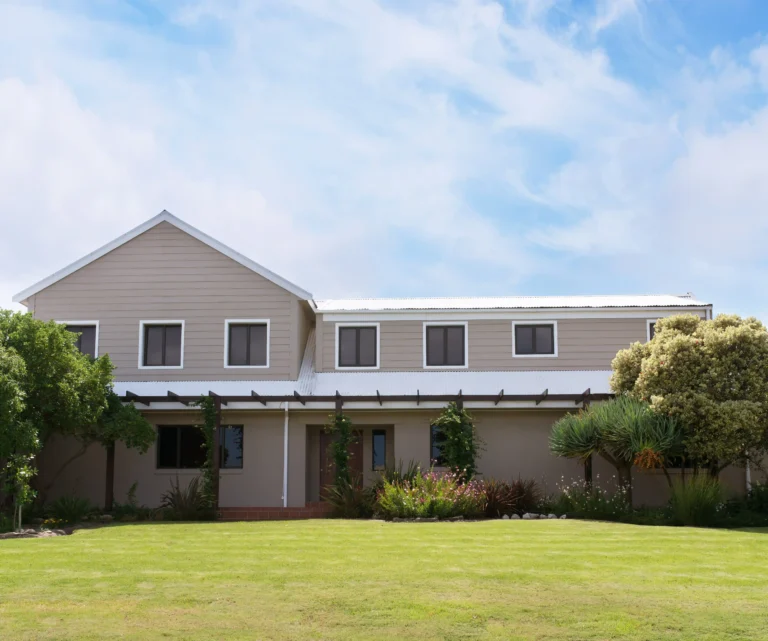
Taking on a DIY renovation project is exciting and rewarding. There’s something uniquely satisfying about transforming your space with your own hands—and doing it on a budget certainly adds to the thrill. But beyond the paint colors and new fixtures, there’s an essential step that every beginner must not overlook: understanding and managing permits and compliance.
As a team dedicated to supporting homeowners throughout Mandurah and beyond, we at Trinity Trade Group have seen time and again how the best-laid renovation plans can hit a roadblock when permits and regulations aren’t properly addressed. Setting off on your project without this knowledge can lead to costly delays, legal issues, or even unsafe structures.
To help you approach your renovation with confidence and clarity, here’s a straightforward checklist that breaks down what you need to know about navigating permits and compliance for your DIY home improvement journey.
Identify What Requires a Permit
First things first: know which projects trigger the need for a permit. In Western Australia, many structural changes require official approval before you lift a hammer. This includes building additions, removing or adding walls, re-routing plumbing or electrical systems, and installing decks or pergolas over a certain size. Even replacing windows or doors can sometimes require a permit if it impacts the building’s structure or façade.
Simple cosmetic changes—like repainting, replacing flooring, or updating cabinetry—generally don’t require approval. However, the line between what is cosmetic and what is structural can be blurry, especially for beginners. For example, taking down an internal wall without a permit could compromise the building’s integrity or breach fire safety rules.
Always check with your local council or a trusted certifier before beginning any work. The City of Mandurah, like many councils, provides resources and contacts to help clarify what requires approval. Being proactive here can save headaches down the line.
This proactive approach echoes the advice we shared in our Ultimate Beginner’s Guide to Home Renovations in Mandurah: understanding the scope before starting is key.
Understand Local Zoning and Planning Rules
Zoning and planning regulations govern how you can develop your property based on its location and designation. These rules cover setbacks from property boundaries, maximum building heights, land use restrictions, and heritage protections.
For example, your zoning might limit how close your new garage can be to the street or your neighbour’s fence. If you want to build a granny flat or a new studio, zoning may control the size and placement.
In Mandurah, the Local Planning Scheme and state regulations guide these decisions. The Planning and Development (Local Planning Schemes) Regulations 2015 provide detailed guidelines you’ll need to follow. Ignoring these can result in fines or orders to remove unapproved structures.
Again, this ties back to the value of a budget-smart renovation plan—knowing the planning framework upfront helps you avoid unexpected costs or scrapping part of your project.
Comply with the WA Building Code
The National Construction Code (NCC) governs all building work across Australia, including Western Australia. Even if you’re a DIYer, your work must meet these safety, energy efficiency, and accessibility standards.
For instance, fire safety measures, such as smoke alarms and fire-resistant materials, must comply with regulations. Balustrades and stairs require specific dimensions to ensure safety. If you’re upgrading insulation or ventilation, you must follow the prescribed standards to maintain indoor air quality and energy efficiency.
Reading through the code might feel overwhelming, but local government websites, certified professionals, or building consultants can help you interpret the requirements. Ensuring compliance isn’t just about avoiding penalties—it’s about making sure your home is safe and comfortable for years to come.
Apply for the Appropriate Permits
Once you know what permits are required, you’ll need to prepare and submit applications. There are generally two main permits in Western Australia:
- Building Permits: Required for structural or building work such as extensions, decks, major renovations, or demolitions.
- Planning Approvals: Required for changes governed by zoning laws, such as land use changes or external alterations.
Sometimes your project will require both. You’ll usually need to submit detailed plans, engineering drawings, and supporting documents like energy efficiency reports or drainage plans.
Mandurah’s council processes applications within about 10 to 25 business days depending on complexity. Submitting thorough and accurate documentation can speed up approval times and prevent back-and-forth that can stall your project.
For smaller projects, you may use a Certified Building Permit process, which can be faster if your plans have been pre-assessed by a private certifier.
Engage Professionals for Advice and Certification
Even if you’re doing much of the physical work yourself, involving experts at key stages is highly recommended. A draftsman or architect can create compliant plans. Structural engineers can verify the safety of your designs. Private certifiers ensure your project meets building codes before and during construction.
Consulting a trade consultant or renovation advisor familiar with local laws is also a smart move. They can provide insights into cost-effective materials, common compliance pitfalls, and efficient workflows—helping you avoid surprises or overspending.
This expert input aligns perfectly with the philosophy we outlined in our Budget Smart blog: smart renovations combine DIY effort with professional guidance for maximum value.
Keep All Documentation Organized and Accessible
Throughout your renovation, keep every permit, approval letter, correspondence, plan, and inspection report carefully filed. This documentation isn’t just for legal compliance—it protects your investment.
When it’s time to sell your home, prospective buyers and real estate agents will want to see proof that all renovations were done legally and to code. Unapproved or undocumented changes can reduce your property’s value or complicate sales.
Additionally, keeping records simplifies future renovations or maintenance, as contractors can refer to previous approvals and plans.
Building Success Starts with Compliance
DIY renovation can be one of the most rewarding ways to improve your home’s comfort and value. But to do it right means starting with a solid understanding of permits and compliance. It’s not just red tape—it’s the framework that protects your safety, your budget, and your home’s long-term value.
At Trinity Trade Group, we’ve walked alongside many Mandurah homeowners through the rewarding but sometimes complex process of home renovation. We believe that knowledge is the cornerstone of every successful project. When you take the time to understand and follow the rules, your renovation becomes not just a dream—but a lasting reality.
With the right checklist in hand, you can confidently start transforming your space—knowing that your efforts are secure, legal, and built to last.
If you’d like to explore more practical tips for getting the most value from your renovations, you might find our posts Budget Smart: How to Plan a Renovation That Delivers Value and The Ultimate Beginner’s Guide to Home Renovations in Mandurah: What to Know Before You Start helpful companions on your journey.